
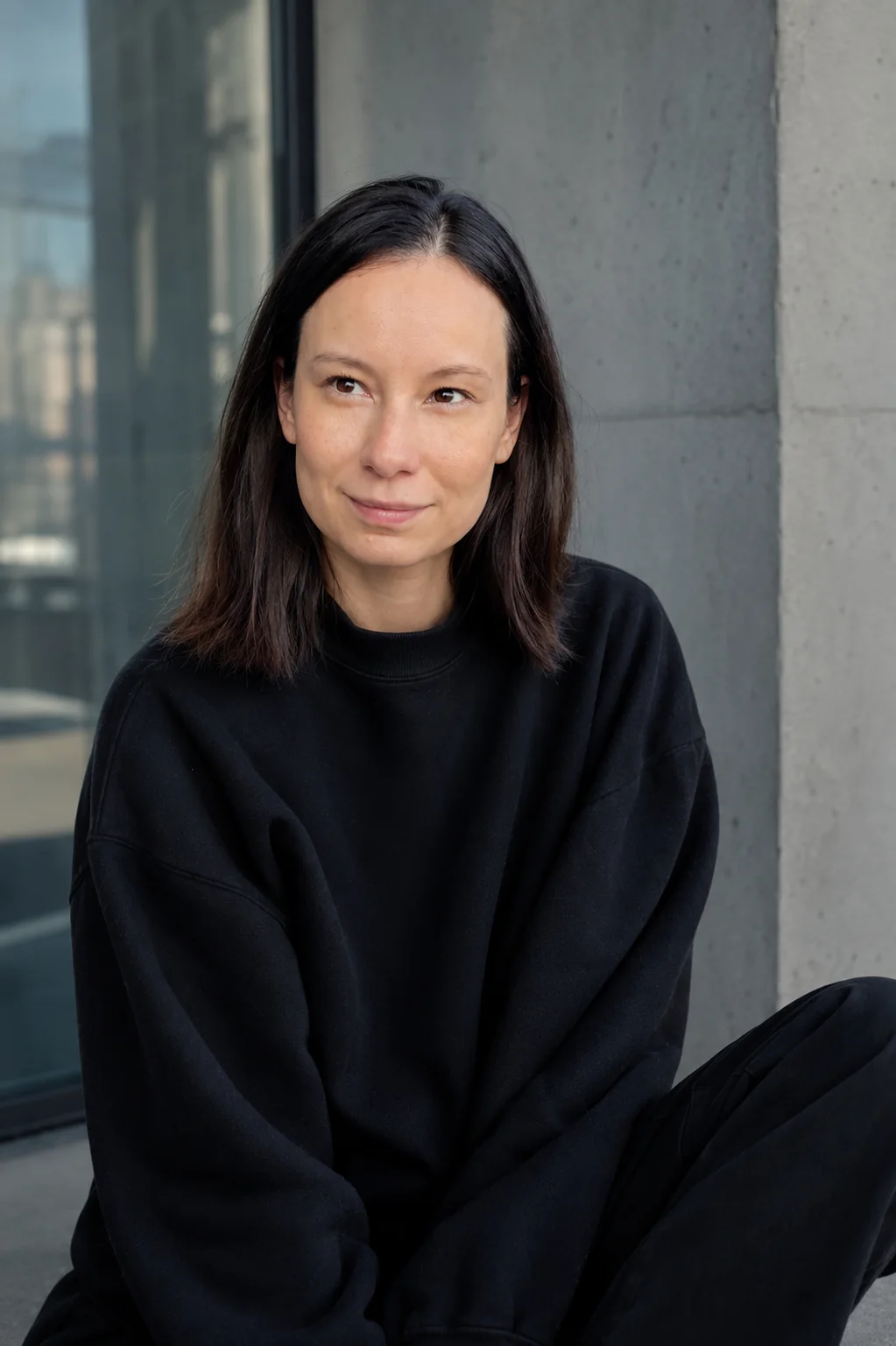
I turn business priorities into shared capabilities that markets can use. That means owning the choices behind them: what gets built, what stays common, where local variation belongs and how we know it helped.
Global platform ownership · Brand strategy & operations
Global ownership.Local outcomes.
I have owned a global platform and carried responsibility for strategy, budget and execution for two brands in-market. I know what goes into a global release and what it competes with when it arrives. Both sides shape what I ask people to change and what I take responsibility for making easier.
I look at adoption, the customer outcome and the work still happening around the system. A spreadsheet beside the CRM may be doing something we failed to provide. I want to understand why it exists before deciding what should replace it.
Contribution
Where I contribute
Decide what deserves to be built
The challenge
Every market has a reason its request should come first. Capacity makes that a decision.
How I work
I agree the criteria with the business and delivery teams: customer and commercial value, reach, urgency and the effort to build and maintain. Markets bring the context a global view can miss. I make the trade-off explicit, record the reasoning and name what evidence would change the decision. The people whose requests wait should be able to see why.
The question I’d ask
Which priorities reflect the greatest need, and which reflect who has the time to keep asking?
Make the shared solution worth using
The challenge
Markets need room to respond to their customers. Every separate build adds something to maintain.
How I work
I bring the business need, the vendor’s standard and our configuration options into the same decision. The boundaries need to be clear: what stays fixed, what markets can adapt and who owns an exception. I work through those choices with the people building and running the capability, including its dependencies on other systems. The next market should inherit something useful, with fewer decisions and less work left to repeat.
The question I’d ask
What can the next market use immediately, and what would it still have to build for itself?
Own what happens after launch
The challenge
A release has to earn its place in the market’s working week and contribute to the outcome it was built for.
How I work
I start with the people doing the work: the customer conversation, the workaround and the competing priorities. That shapes what we deliver, including the training, templates and support. After launch, I review usage and customer response with the markets, alongside support effort and manual fixes. If the capability is being used but the intended outcome is not improving, the product decision is still open.
The question I’d ask
Where is the system helping markets achieve their priorities, and where are people still carrying the gap?

Experience
The experience I bring
Download CV↓Build globally
The one tool a rep opens in front of a customer.
I owned the operating model for the global sales-enablement platform, where approved content reached HCPs: intake, prioritisation, build standards, approval, market adaptation, release. I onboarded 20+ countries and 1,600 reps, then ran the model across 40+ countries and 6,000 after Diagnostics and Diabetes Care merged. The rollout plan did not move adoption; the thing I chose not to build did.
See the decision behind the systemOwn locally
The receiving end of everything Global sends.
I owned brand strategy, planning, budget and omnichannel execution for Hemlibra and Vabysmo, across Medical, Market Access, Sales, global teams and agency partners. I built the segments myself, ran the A/B tests and shipped a 12-week journey of 24 emails in Salesforce Marketing Cloud. One full cycle, taken on purpose.
Design from first principles
Where the systems thinking came from.
80+ internally edited books, 100+ international adaptations, two board games and a full identity system for the Association of Hungarian Photographers. Visual clarity is part of how a message lands, and an interface people find clear is an interface they adopt.
See selected workCase study


Taste
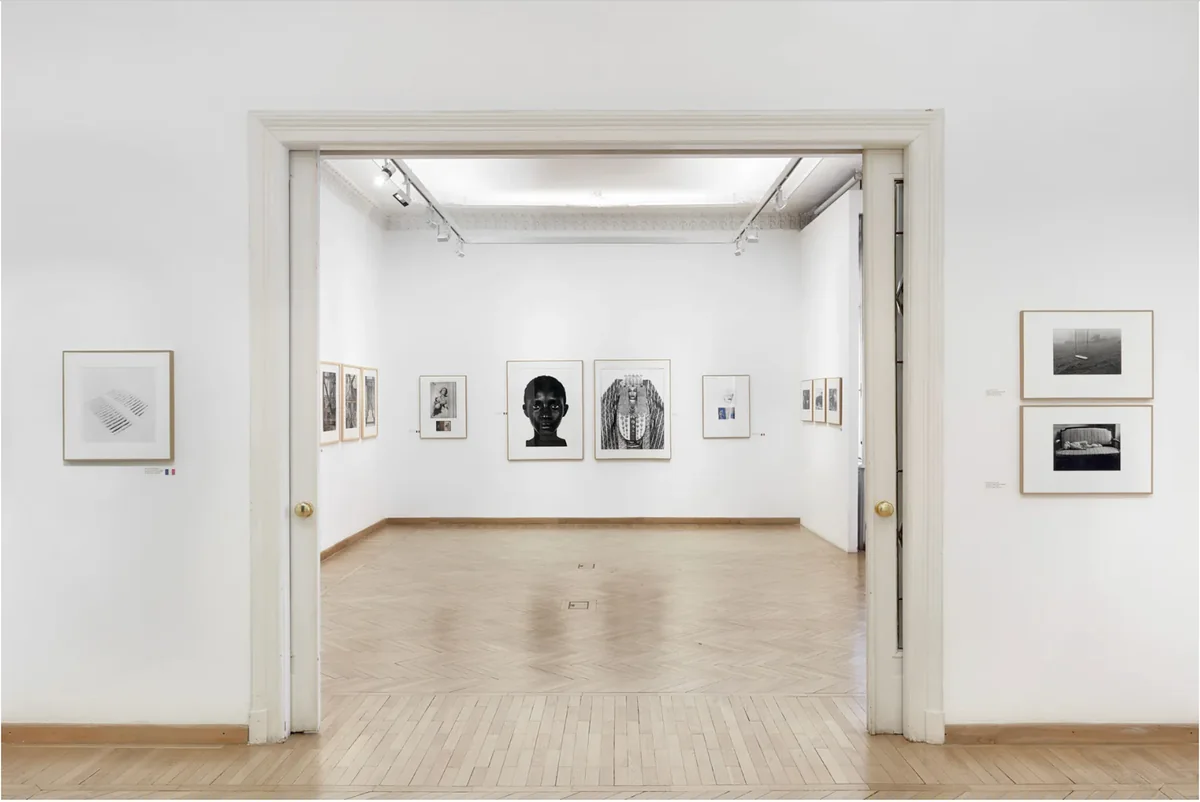
Association of Hungarian PhotographersDesign project manager · 2016–2017
A few hundred photographers, no two of them alike, all represented by one identity. The rebrand could have been about the association. I built it around the members' work instead.
A standard that flattens people is not a standard; it is a loss. So the system was made predictable in what it held and open in what it carried, across print, signage, exhibition and digital. Fixed where it had to be, open where it should be, and the same line I later drew across a platform serving 40+ markets.
View in the design portfolio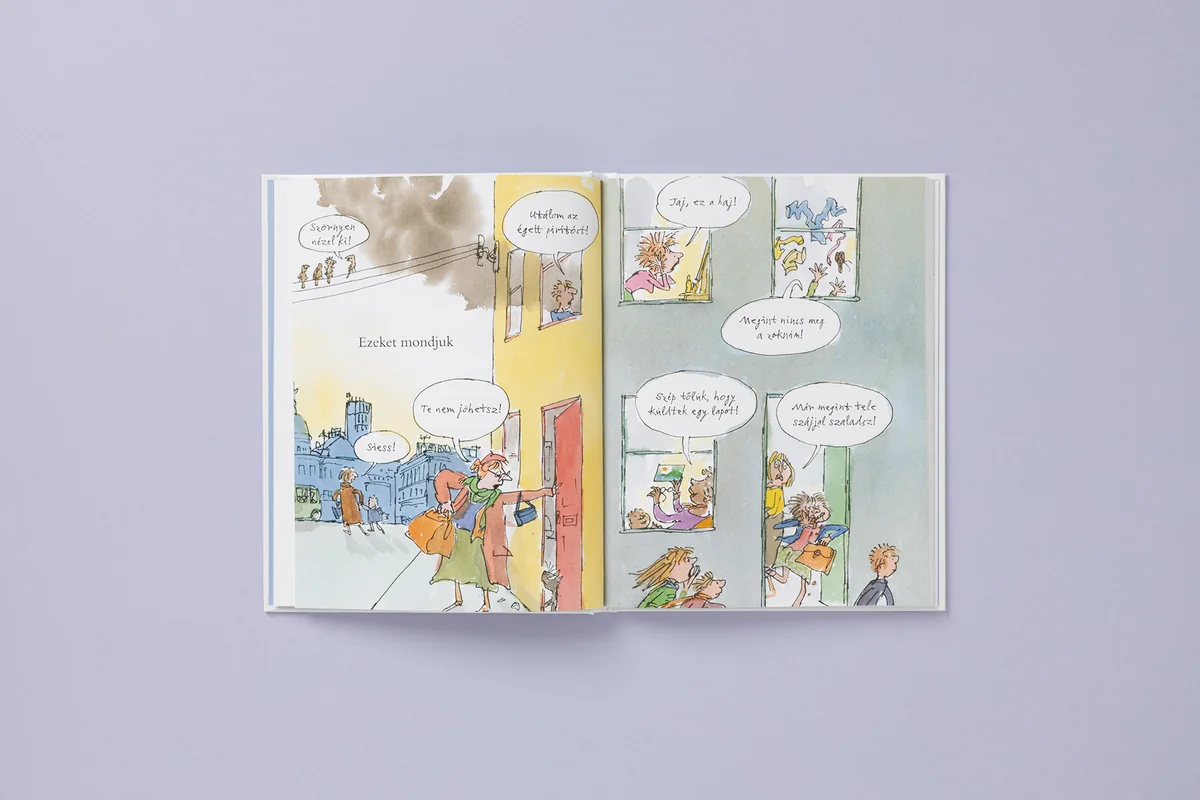
International book adaptationsGraphic designer and project lead, Pagony · 2017–2023
Adapting a foreign book is not translation. Quentin Blake's lettering does not exist in Hungarian, so we drew a typeface for it; the constraint was keeping his hand, not copying his letters.
One book is a decision; a hundred is a system. What stayed fixed was whatever kept the original recognisable, and everything else could move. Years later I built the same rule into pages a sales rep assembles for one doctor: claims fixed centrally, the message theirs, so the person closest to the conversation is the one composing it.
View in the design portfolio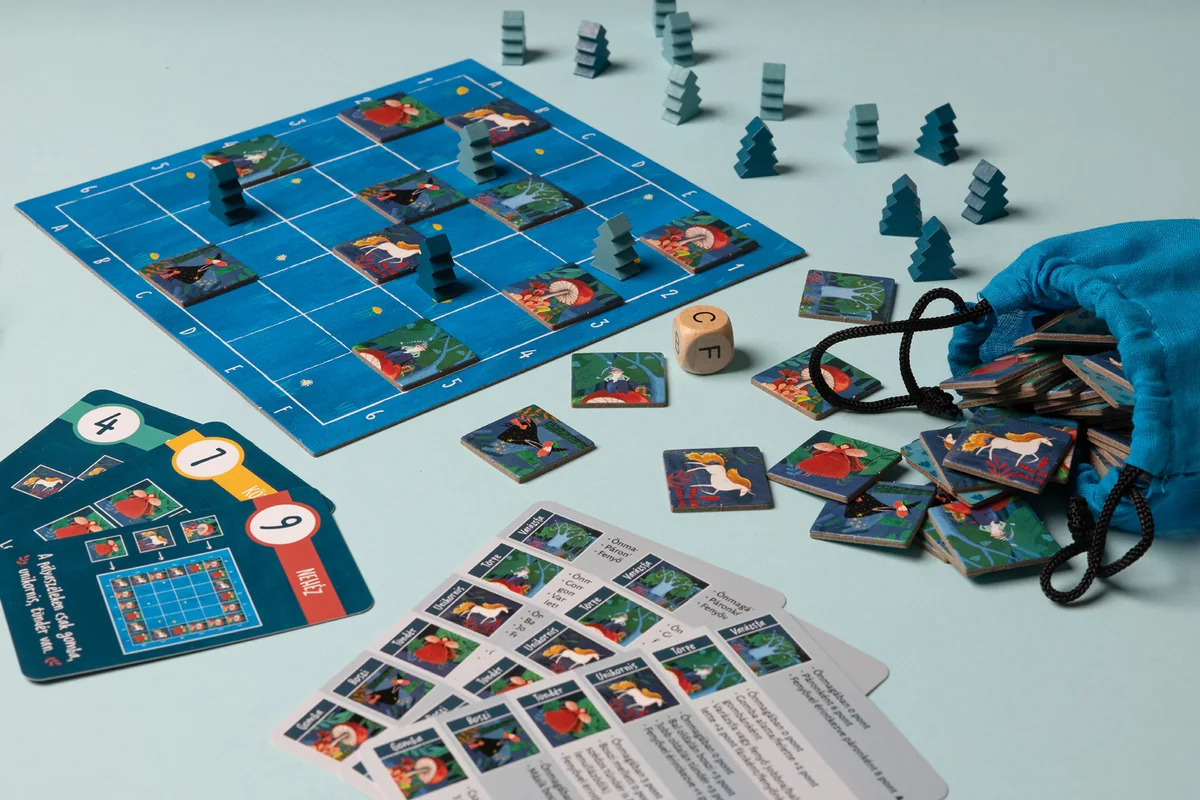
Board gamesProduct and production design, Pagony · 2017–2023
A game only exists once someone sets it up and plays it. Every piece has to fit one box, interlock with the others, and make sense to a person who has never seen it before.
A game is judged in the first minute: either you are already playing or the box goes back on the shelf. Platforms are judged the same way. So the first thing a market gets from me is not a manual. It is a route that already works.
View in the design portfolioIn the background
For long walks, focused work and whatever I am curious about that week.
Off the clockListening, lately
Let’s talk
Ready to relocatewithin Europe. EU citizen, no sponsorship required, available fromOctober 2026.

Write to mesmayoria@gmail.com↗
Know someone I should meet?